EMOTIONAL EXPRESSIVITY
It is in the nature of man to smile when they are happy, frown when they are sad, laugh when they encounter jokes, and cry when they encounter things that make them cry. That is culturally universal. We, humans, all have emotions or the perceived state of being defined by feelings. However, our emotional expressivity is not the same. Some people have low tolerant expressivity, while some have high tolerant expressivity. People have the choice to show their emotions subtly or visibly. But, there are lots of factors that influence our choices or expressivity of our feelings. One of these is culture.
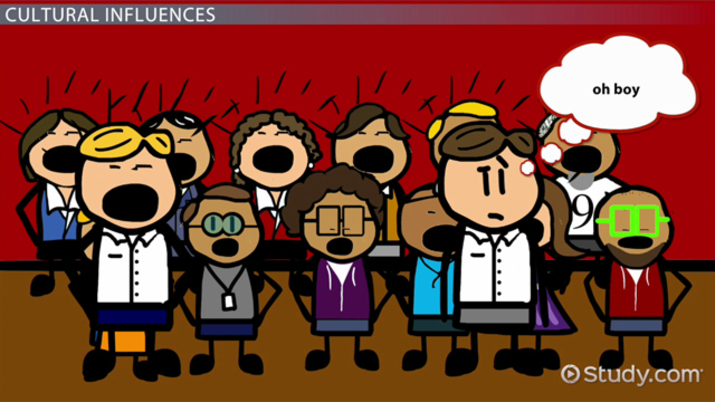
It is said that anytime we have something that is physiologically consistent across humanity but is experienced very differently by different people, and one of the first places we can look is culture. Culture is a set of expectations, values, and knowledge shared by people of the same background or society. The rules of our culture influence pretty much everything about us, including our emotional reactions. Because of the rules of the norms that have been set by society, people tend to adopt those. It is expected that they should follow and respect their cultural values, or it can be uncomfortable. It can drastically impact if and how others are willing to communicate with them if they break it.
For example, people in Asian countries like Japan are not that comfortable showing emotion in public, and there’s a minimal public showing of romance and things in the said country. This is because showing emotions are likely uncool for them, and romance stuff is taboo. Meanwhile, in most Western countries, showing emotions related to romance is a regular thing. Whenever I get a chance to talk with Western people, they are always shocked about hearing these things.
Emotional expressivity is indeed one thing that is more easily misunderstood than many other things in cross-cultural differences. It’s very easy to misinterpret different ranges of emotional expressivity. This is something that we should be careful of, especially in our classroom. Teachers should always be careful how they approach their students because their tolerance of emotional expressivity might be low or high, and they might misunderstand their students that are actually okay in their culture.

 Bloggerrific
Hi Camille! I am visiting your post, you explained very well the main points about emotional expressivity. I like the part when you say that we need to be careful with our students and make the necessary adjustments to avoid future challenges in our classrooms.
LikeLike