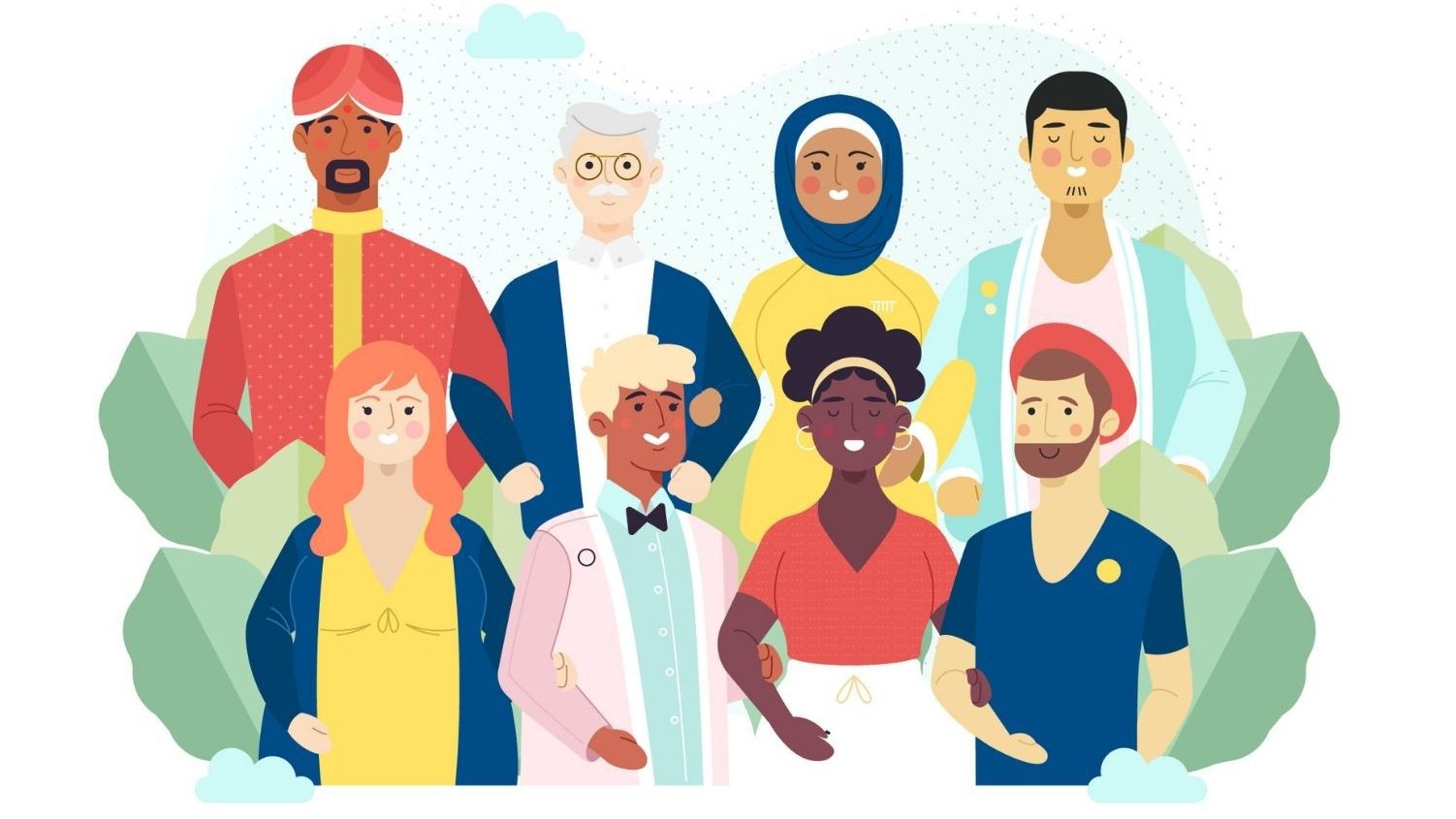
Being an Asian is amazing yet funny. If you will compare Asians with Americans, you would see lots of differences. Asians are quiet in classrooms and are only allowed to speak when permitted. Americans, on the other hand, are expressive to their thoughts, and teachers in their countries consider it to be interactive than disrespectful. Another thing I learned is that Asians are too respectful in a way that they can’t just go around their classrooms while teachers are discussing, or go out to their class not until teachers told them to do so, while Americans could do that without them complaining about it. It is also confusing to us that teachers are the ones that say sorry when they are late since it is supposed to be the students since students in Asian countries should not be late or otherwise they have to get a late slip. I am not saying that this happens every time, but it is what has been known by everyone.
The reason behind this is that each country has a different culture. They are following different rules, standards, or paradigms. Situations that I have mentioned above are just normal situations for those people who are following that culture. For American teachers, students being late is not a big deal while Asian teachers think it is rude to not be in their class before they arrive. This is just one of the differences of different cultures, and we should be knowledgeable of various cultures for we could encounter or meet people that follow cultures different than ours.
Cross-cultural education is what teachers and students have been facing ever since. Cross-cultural refers to dealing with two or more different cultures or cultural areas. Every school year, teachers are facing diverse students with different gender, race, religion, and ethnolinguistic group. These students follow different principles that are inclined with their beliefs introduced by the group they belong to. If teachers do not know about each one follows different paradigms and do not understand cross-culture, then some actions of their students might be misunderstood.
Example situation:
Just like America, the Philippines also has subcultures. This is because the Philippines is an archipelagic country and almost every island consists of different cultures. Mostly, students in some rural areas go to different cities to attain education so being in a classroom with different ethnolinguistic groups and religions is normal. And these people have different characteristics because of the background they have. Some students that are Tagalog use polite words such as po and opo to show respect and some Cebuano students don’t because they are not used to saying those since those words don’t exist in their vocabulary. If a Tagalog teacher who doesn’t understand cross-culture meets a Cebuano student who doesn’t use po and opo and speaks directly and frankly, then the teacher would misunderstand the student and will think that he/she is disrespecting him/her. This could result in a bigger misunderstanding, or maybe a fight.
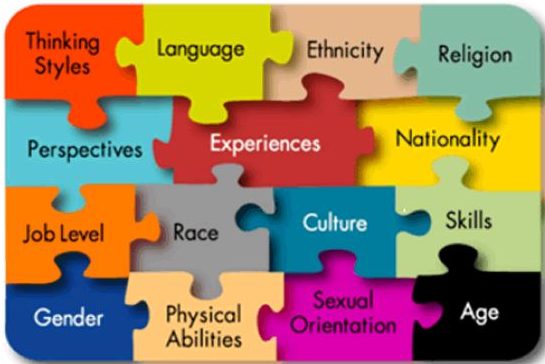
To avoid this kind of situation, everyone especially teachers should be open to the idea that not everyone follows the same culture as theirs. They should know that there are lots of variances to people’s lives. To be more educated about cross-culture, higher-ups of the educational system should conduct seminars, workshops, and conferences about it. I know for sure that if these teachers understand cross-culture, they will be more eligible to teach and help students in a pleasant way.

 Bloggerrific
Hello Camille! Wow, that’s amazing that you are an Asian girl. I like to know about your experiences and the differences you found with other cultures. I can identify some similarities and differences from my culture too.
Angélica Conde
LikeLike
Good explanation Camille! Thank you for sharing your own experience in the Philipines. I love how you said that we must be more educated about cross-culture.
Well done!
LikeLike
I loved your blog post, and thank you for sharing your experience as an Asian person. The example you provided at the end helped me understand the topic and your view of the topic better.
Thank you for sharing.
Aranza
LikeLike
Great post Camille! I loved how you exposed your thoughts on cross-cultural teaching and the examples given.
LikeLike
Great post Camille! I loved how you exposed your thoughts on cross-cultural teaching and the example you shared.
LikeLike