For the past weeks, I have been discussing cultural differences here on my website. These include cultural paradigms, cultural differences concerning time, emotional expressivity, personal space, and others. These things contribute to why students differ in manners. Some of the students have habits that are considered normal to their culture and not okay to others. Some of the students are following rules they are not used to their culture. Asians and American students are great examples of this concept.
Almost all of the teachers in Asian countries consider talking in their class without permission disrespectful. Teachers are wearing stern faces in discussing, and you need to raise your hand and wait to be recognized before speaking. You just can’t interrupt and speak in the middle of their discussion. Well, that is unless you want to go to the guidance counselor’s office. On the other hand, American teachers consider students who interrupt them to add their thoughts or ask questions, interactive rather rude. This is the exact reason why Asian exchange students get shocked by the student-teacher relationship of other countries.
Another example is the level of teachers while teaching and their students. I, personally, am not comfortable with the thought that the teacher is sitting while discussing our lessons. Aside from the idea that they could explain better while standing and using the blackboard, I want them to stand because I believe they have higher ranks than us students. And seeing the level gaps between us makes me respect them more. (I think this has been a practice in Thailand. If the teacher stands, the students will sit in the chair. If the teacher sits in the chair, the students will sit on the floor. But I am not sure if they are still practicing this act.)
These are just two examples of different cultures, and I know that you will encounter more. These cultures could be the indication of why students have different manners or are doing things. Some students might do the everyday things they are doing inclined with their cultures that might insult you. They might help you in ways they consider to be okay that you might think otherwise. That is why everyone, especially teachers, should familiarize some of the differences around the world so they will not be offended and rather understand where they’re coming from.
To be more educated about differences in manner, I will show you the 13 examples of good and bad manners worldwide.

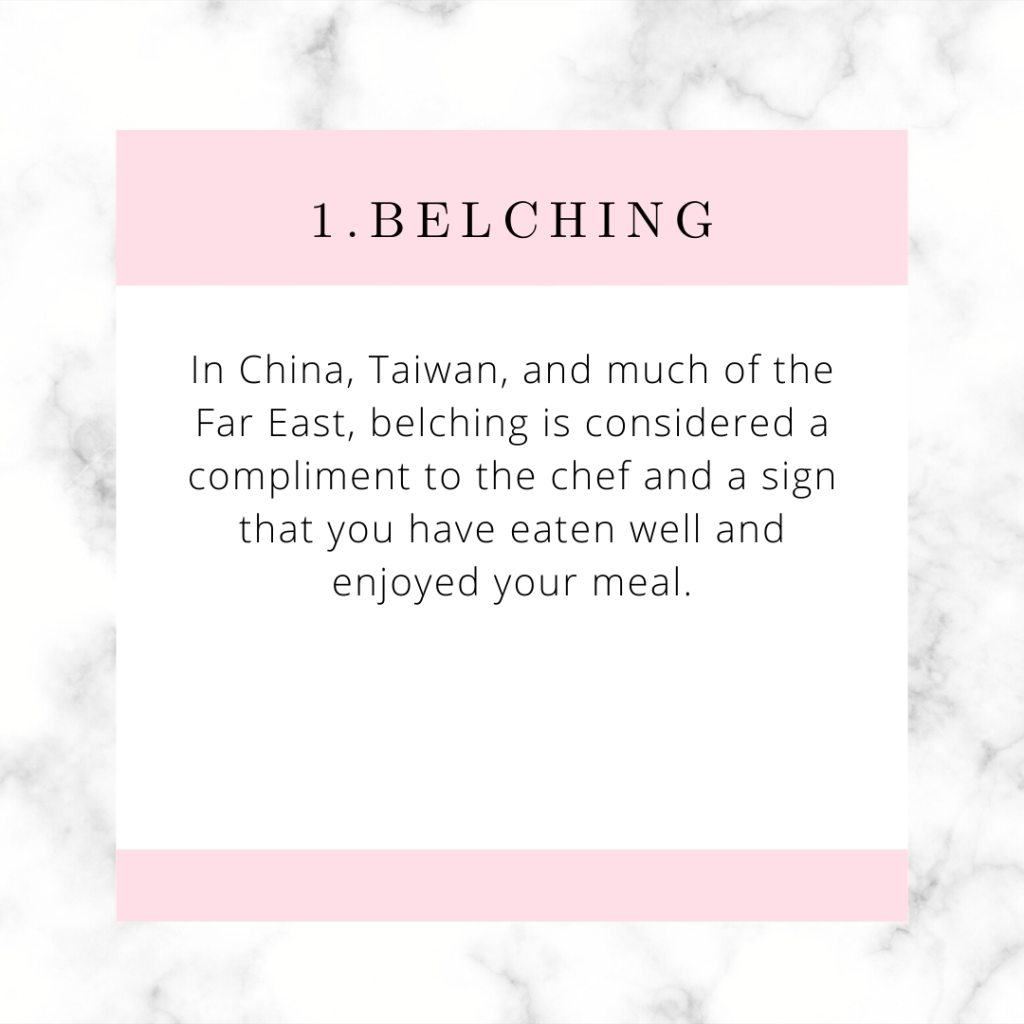
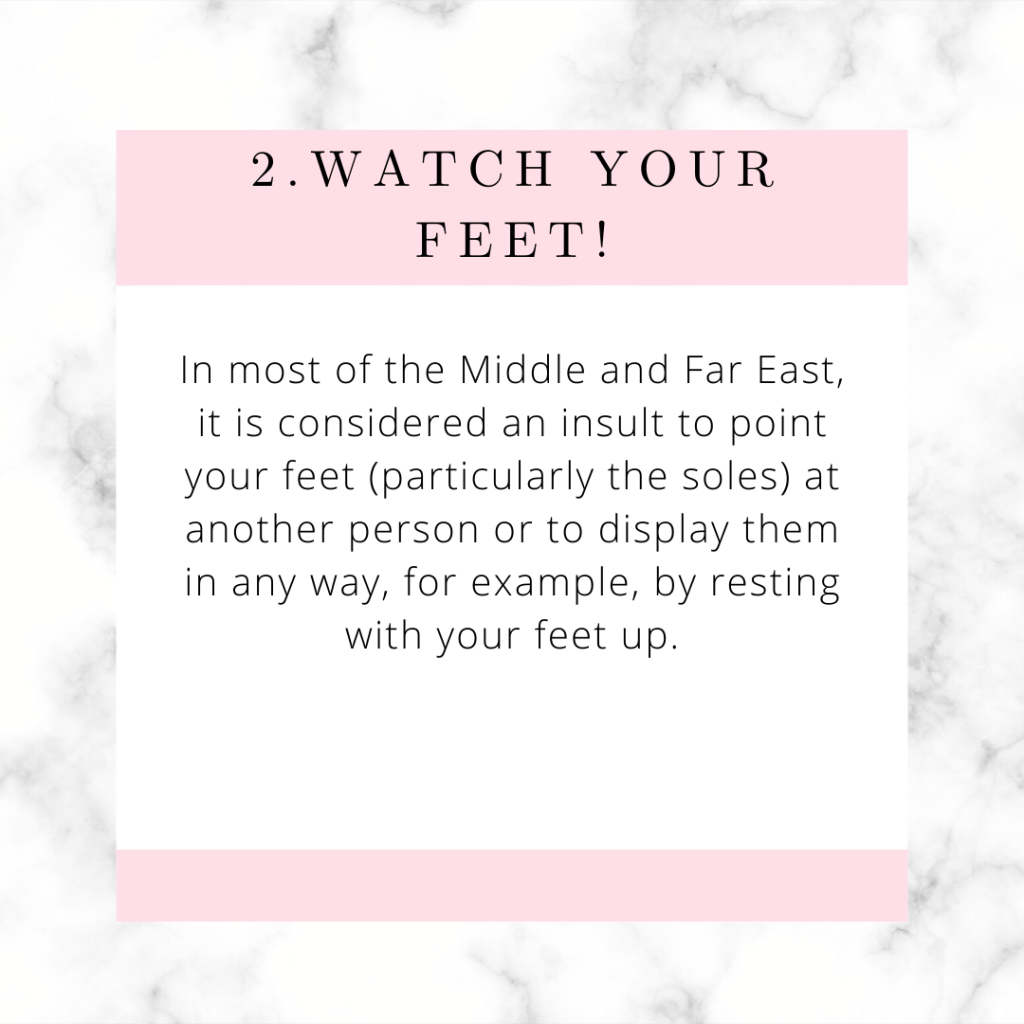
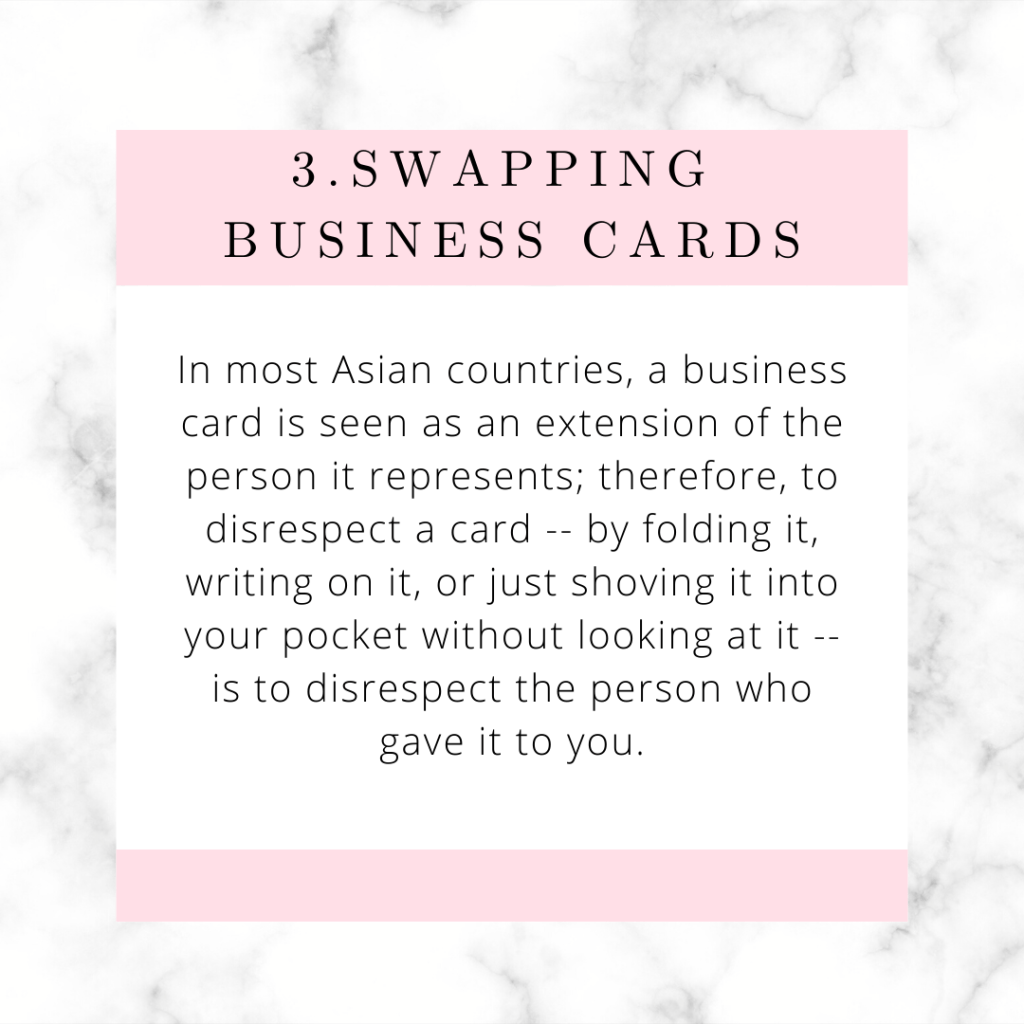
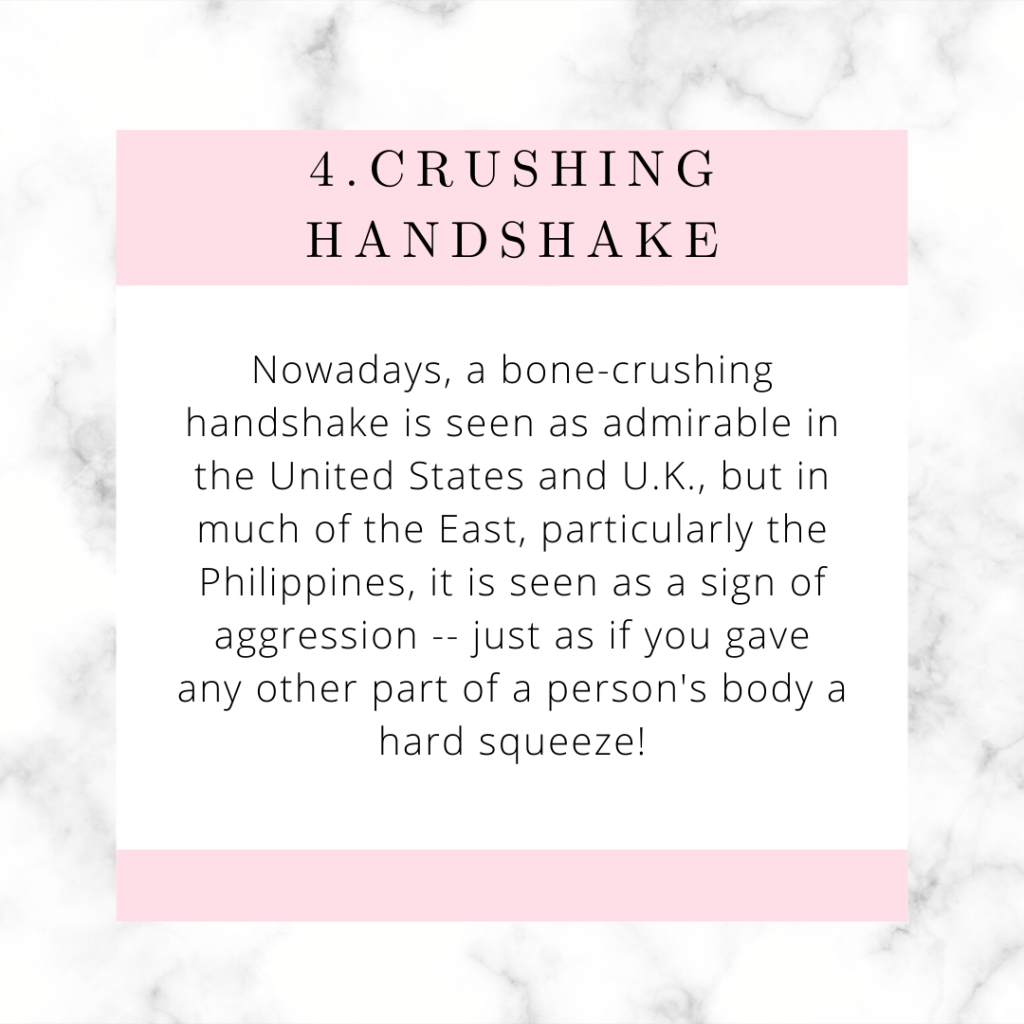
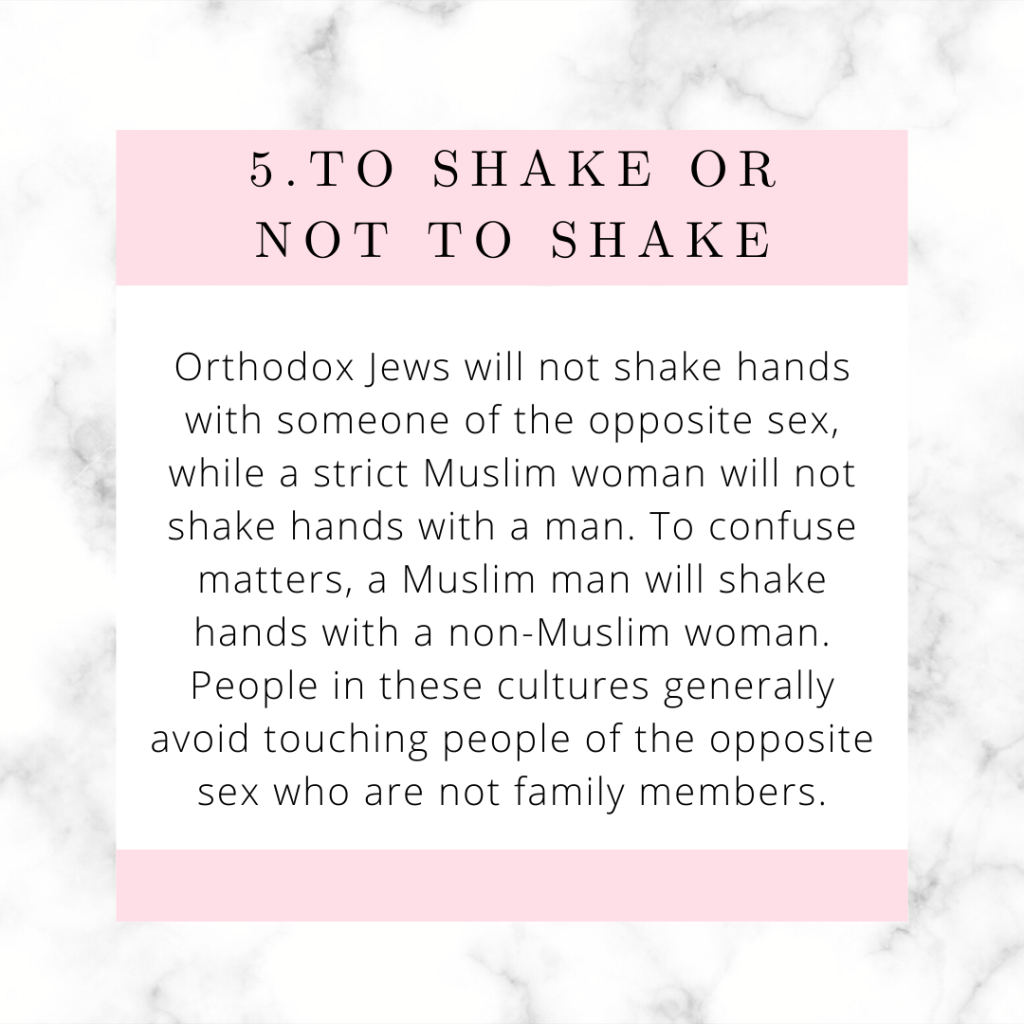
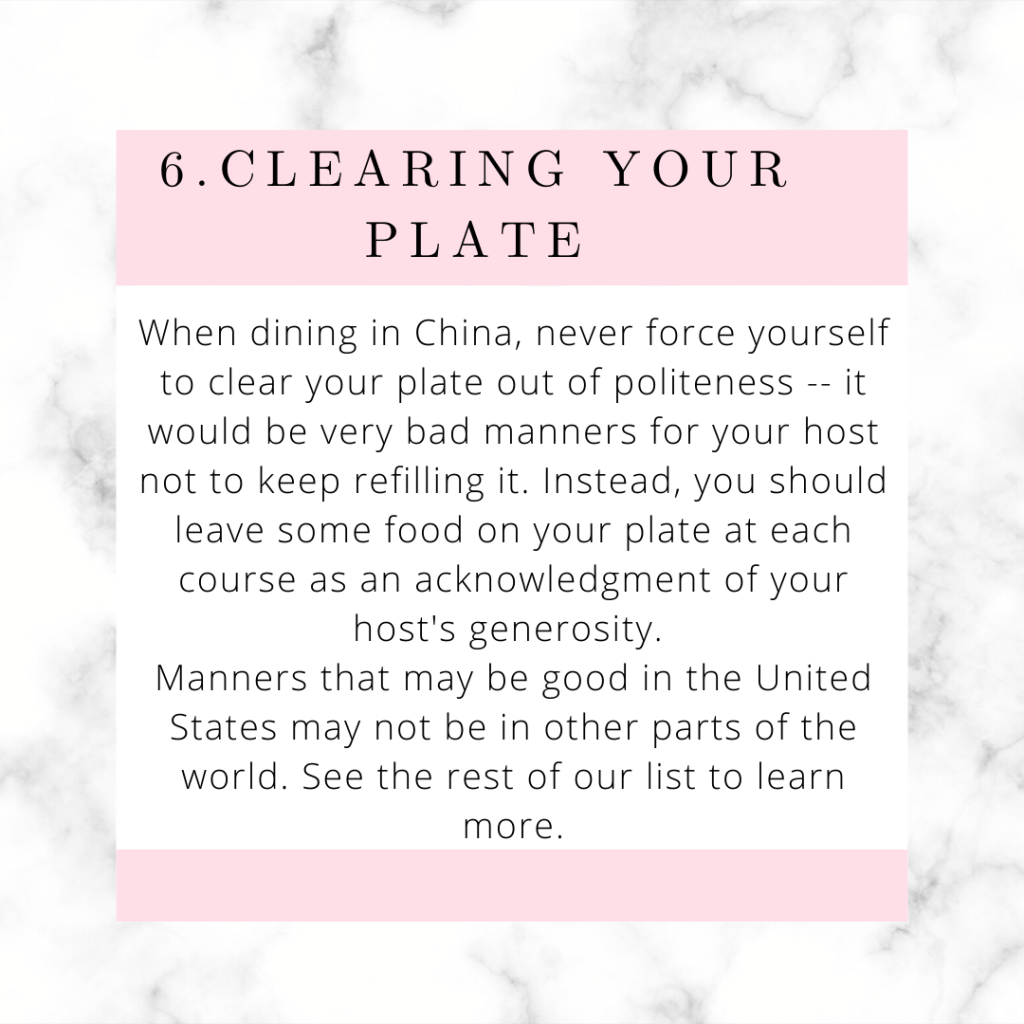
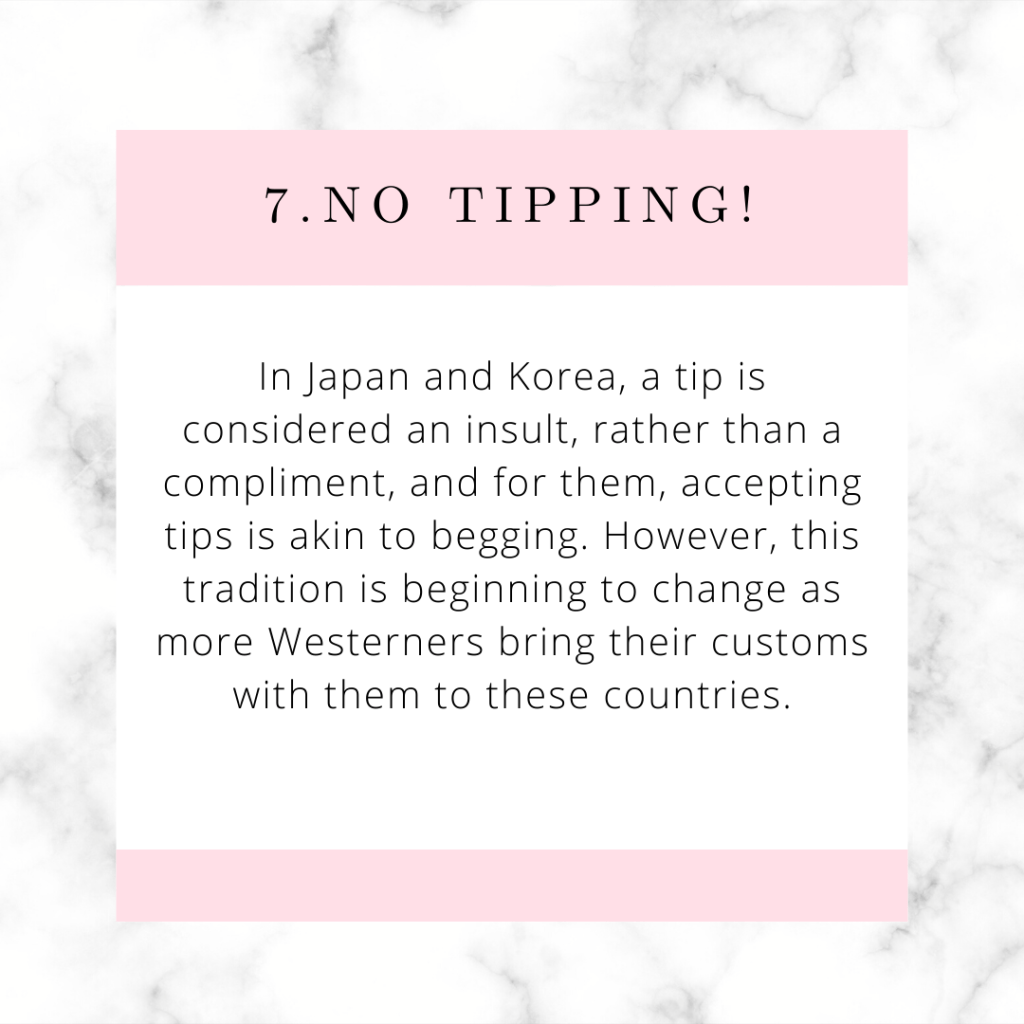
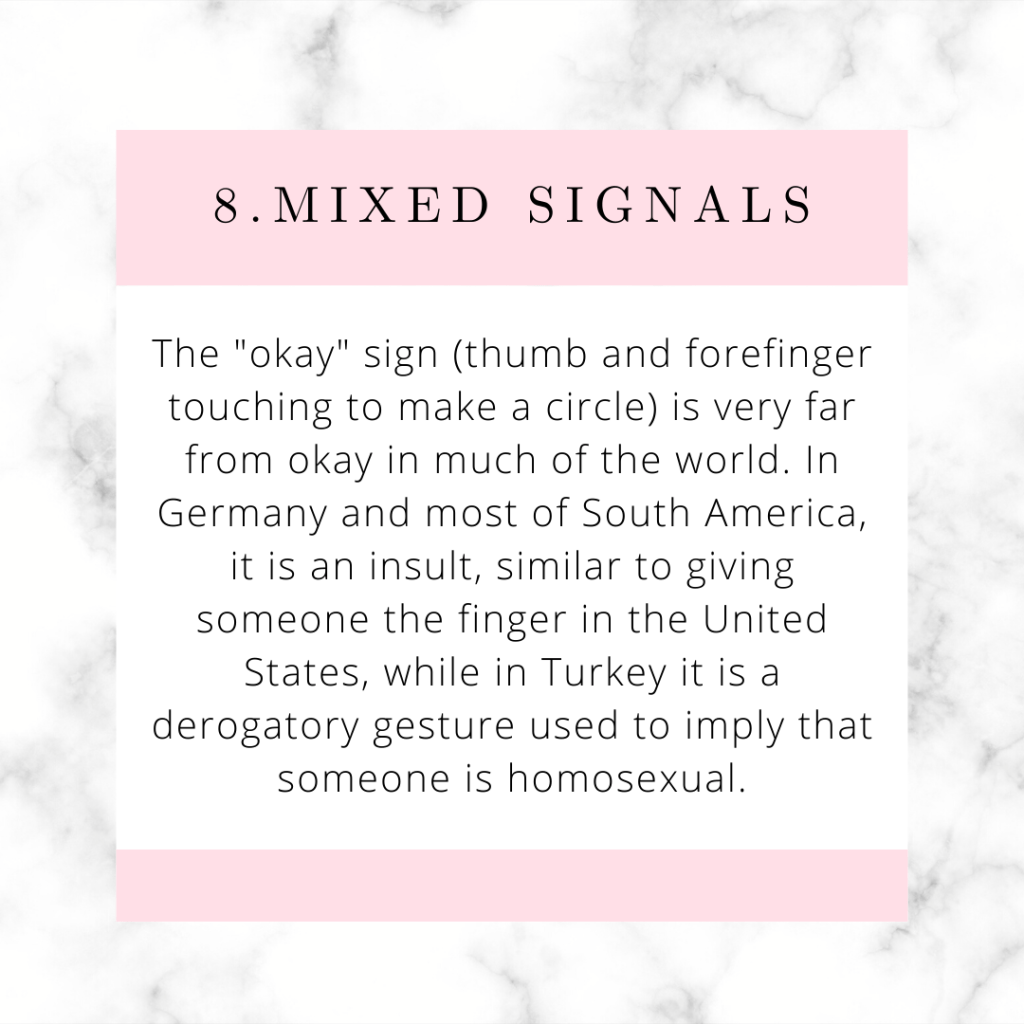
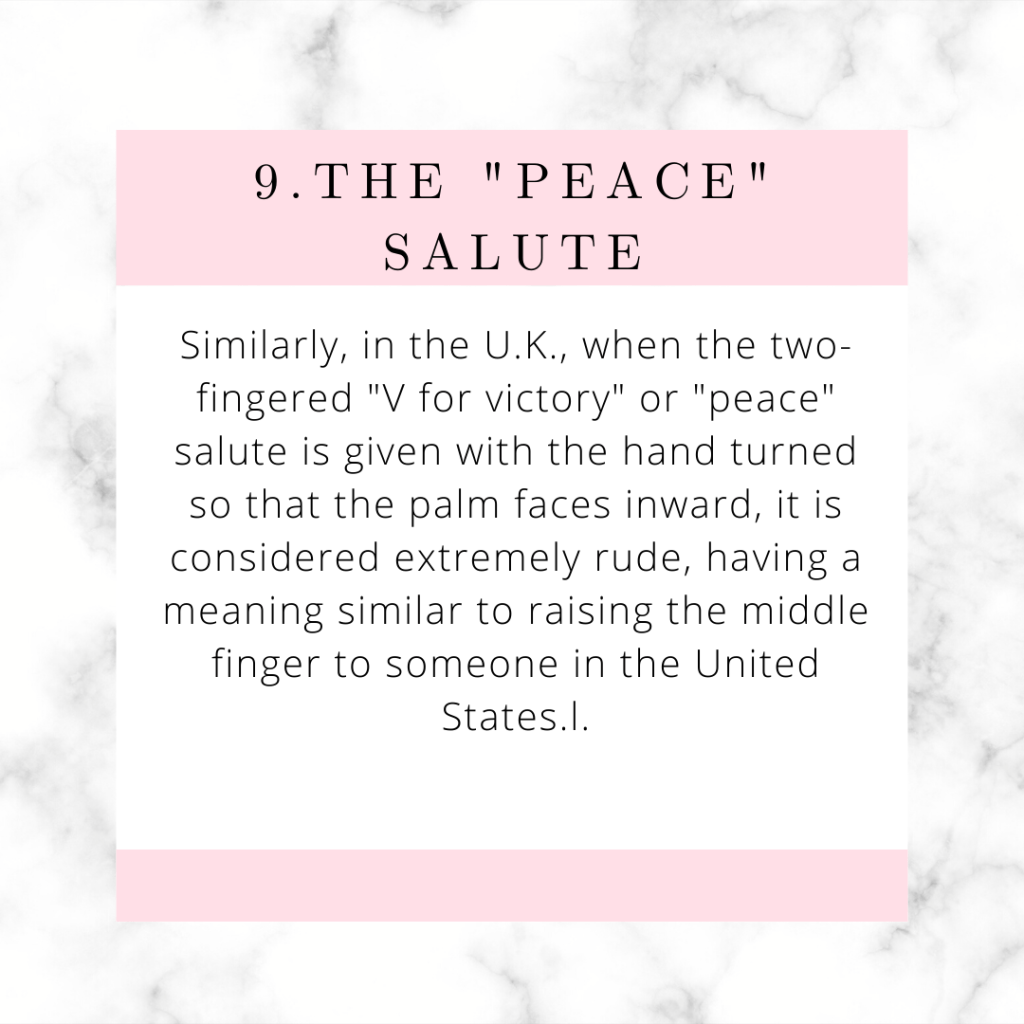
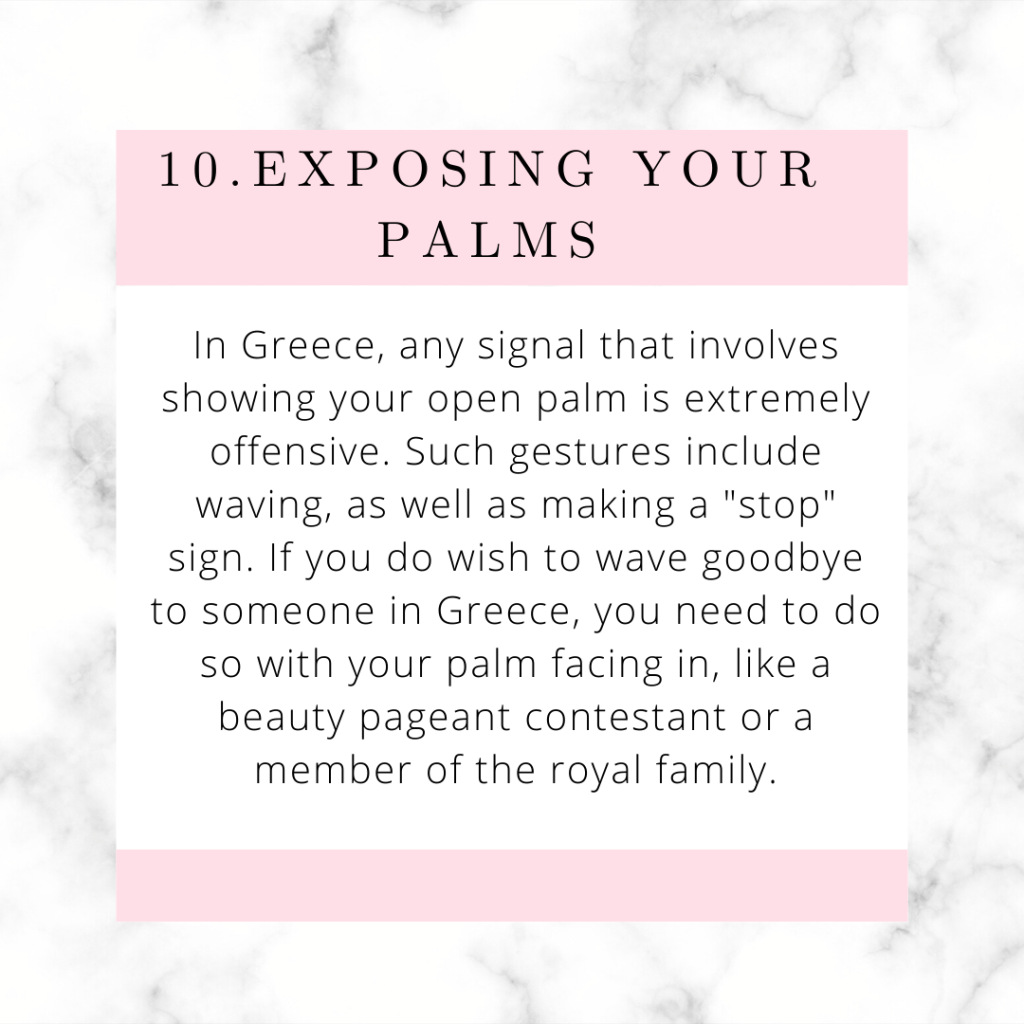


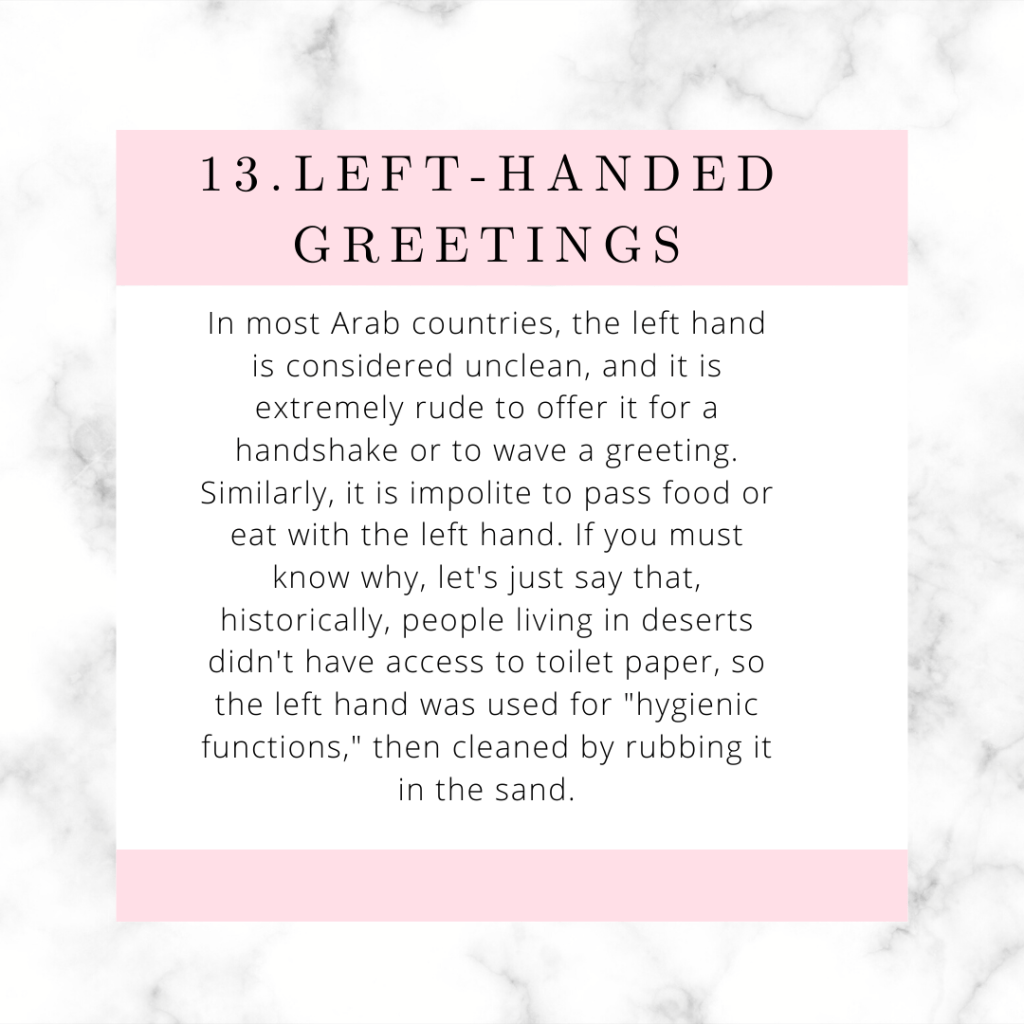
References:
https://people.howstuffworks.com/13-examples-of-good-and-bad-manners-around-the-world.htm#page=0

 Bloggerrific
Excellent job Camille! I think showing the examples through slides was an excellent idea.
LikeLiked by 1 person
I liked the examples you put. Thank you for that information. You are right, there are many differences between American and Asian classrooms. I live in Mexico, where I think we are in the middle; interrupting is considered disrespectful, but everyone does it haha.
Thank you for sharing.
Aranza.
LikeLiked by 1 person