We all know that everything in this world is related to each other in its own ways. We encounter different concepts in our everyday lives that we maybe think are not related. But if you look to those closer, you would realize how these concepts affect each other. An example of this is the relationship between culture and psychology. You might think right now that these two cannot be associated with each other because of their differences, but they actually can! There are many things that can prove that culture has a relationship with psychology, and I will discuss some like culturally-created shame, depression and schizophrenia, and self-esteem.
I have mentioned in my previous blogs that every culture has different paradigms and standards to follow, and people will receive humiliation from other people if they deviate from those culturally-created standards. For example, here in the Philippines, you will rarely see men doing household chores especially washing plates, doing laundry, and cleaning the house. This is because we have a thing here that women should do those, and men should work outside. Even though society changed the perspective of working outside and realized that women could also work outside, the thing that I have mentioned earlier was not changed. And when people see men do household chores, they will think that they are feminine, or worse, gay. This can also be applied to men doing skincare routines since society constructed the idea that men should be tough and doing skincare will make them lesser. We can see in these examples that if people deviate and do not live up to the usual things of society, they will receive lots of shaming, which is alarming.
Another thing is the relationship of depression and schizophrenia with culture. In the video Culture and Psychology of Tim Tanner, found in BYU-Idaho Videos, Professor Ivers said that biochemical imbalances cause schizophrenia in the brain. However, studies have shown that schizophrenia decreases more quickly in some cultures than other cultures. So there may be a cultural-biological interplay with a lot of these things, right? Let’s also discuss depression.
We know that there’s a genetic component to depression. Depression runs in families. However, if we look at statistics, Mexican Americans have a higher rate of depression than Mexicans, even if they have the same genetics. Same with Latin Americans when they immigrate to the United States. African Americans have a higher rate of depression than Africans. Asian Americans have a higher rate of depression than Asians. We can see that there’s a cultural component to it, as well.
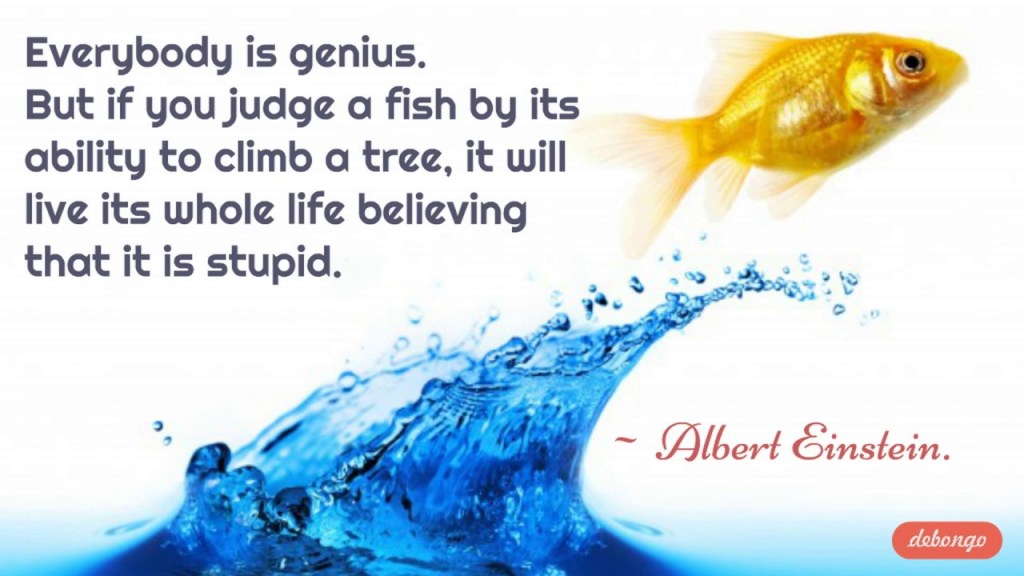
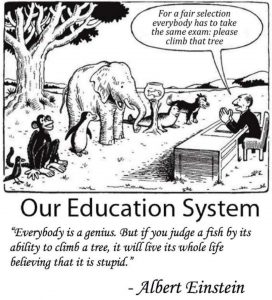
The relationship that I am worried about is culture and education. Remember that every culture and subculture has the culturally-created ought self. There is also our real self. And we should think that the real self may or may not correspond to this culturally-demanded ought self. And the higher the correspondence between the real self and culturally-created ought self, the higher self-esteem one will enjoy. But the lesser the correspondence between the culturally-created ought self and your real self, then it is harder to have that self-esteem. Teachers should watch over this thing. Students might not maximize their talents and skills just because their real self has less correspondence with the culturally-demanded ought self. An example with this is a boy, who has talents and skills in fashion designing, which is afraid to take a course in regards with this because he might not meet the culturally-created ought self. Let us not allow ourselves to be locked in the idea that was created by society for us. Let us remember the quote of Albert Einstein.
Culture and psychology are related to each other, and we need to think about this so that we can assess if our culture could harm or alter our perspective on things in a not nice way.

 Bloggerrific
Hello, Camille, I like the way you write. And I agree with you, Every culture has different paradigms, but the truth is that we learn from the other and we need the other to grow. And the quote of Albert Einstein is super. Exemplified the topic perfectilly.
LikeLike
Really enjoyed reading this Camille! The affects of depression and other illnesses on different culture/mixed cultures is interesting. The quote by Einstein is also really good, we need to recognize we are all unique individuals with our own value to add to the world
LikeLike